
High-pressure hydraulic systems are rough on filters. A few thousand psi, constant pressure spikes, and components that cost a fortune if they fail. Cheap filters or the wrong ones just do not hold up. Dirt gets through or the element collapses and then you are changing pumps or valves instead of a filter.
I have walked past machines where the hydraulic filters looked clean on the outside and the oil sample still came back dirty. Usually the media was wrong or the bypass was stuck open. The features on the element matter more than most people think.
Beta ratio is the real efficiency number
Beta ratio tells you what the filter actually catches. A beta of 200 at a certain micron size means it stops about 99.5 percent of particles that size. Higher is better. High-pressure work needs absolute ratings. The old nominal numbers sound good on paper but let more dirt through than you want.
Glass fiber media holds that beta number better as it loads. Cellulose can start letting more through once the pressure differential climbs. In a high-pressure circuit that change happens quick.
Collapse strength keeps the element from folding up
This one gets ignored until something breaks. The element has to take the differential pressure across it. High-collapse versions are good for a few thousand psi. Low-collapse ones sit around a couple hundred and count on a bypass valve to save them.
If the filter sits right in front of a servo valve or an expensive cylinder, a lot of guys skip the bypass and use a high-collapse element. No dirty oil gets a free ride. Just do not leave it in until it is plugged solid or you starve the system.
Bypass valves and how they behave
Most pressure and return filters have a bypass. Cold thick oil or a dirty element pushes the differential high enough that the valve opens. Dirty fluid mixes with clean for a while. Better than a collapsed element, but still not ideal.
Look at the cracking pressure. Too low and it bypasses too much. Too high and the element can get damaged. Some designs put the valve off to the side so pressure spikes do not make it chatter. Indicators that show when the bypass is open are useful. You can actually see the problem instead of guessing.
Dirt holding capacity decides how often you change it
A filter that plugs every week is a pain. Capacity comes from how much media is in there, the pleat design, and the fiber layers. Multi-layer glass holds more dirt while the pressure drop stays reasonable.
Size the housing for the real flow and the dirt you expect. Undersized filter works too hard and bypasses early. Bigger one costs more at first but lasts longer. On high-pressure systems the extra cost for a larger element is nothing compared to downtime.
Media and how it is built
Glass fiber is the usual pick for high-pressure hydraulic filters. Good efficiency and decent dirt capacity. Some have anti-static features for fluids that do not conduct well. Wire mesh is for coarser protection or when you want to clean and reuse.
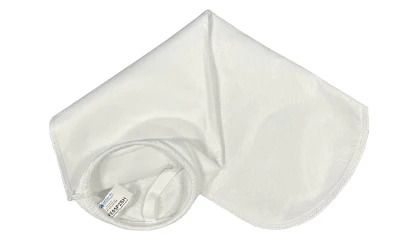
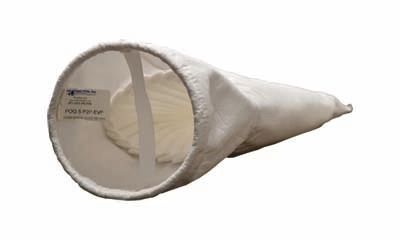
The support tube and end caps have to match the pressure. Plastic is fine on return filters. High-pressure side needs stronger construction. A felt bag filter works okay for bulk junk in a low-pressure process line. It is not made for the pressures or the fine particles in a hydraulic system.
Where you put the filter matters
Pressure filters protect whatever sits after the pump. Return filters clean the oil going back to the tank. Suction strainers keep big pieces out of the pump but stay coarse so they do not cause cavitation. Offline loops polish the oil slow and steady and can use finer media.
Most high-pressure systems need more than one. A solid pressure filter is almost always required when there are servo or proportional valves in the circuit.
Indicators and watching the numbers
Visual or electrical indicators show when differential pressure is rising. Some housings can send a signal to a controller. Waiting until the machine acts up is too late. Change when the indicator says so or when oil analysis shows the particle counts climbing.
Fluid and temperature compatibility
Seals and media have to match the fluid. Some synthetics and water-based fluids eat certain materials. Temperature swings matter too. Cold starts make the oil thick and the differential high. Hot oil can soften seals that are not rated for it.
Check the data sheet for your exact fluid and the temperatures you actually run.
Conclusion
Hydraulic filters in high-pressure systems need more than a micron number on the box. Beta ratio, collapse strength, bypass behavior, dirt capacity, and solid construction decide if the filter protects the expensive parts or just sits there looking busy. A felt bag filter has its place in other liquid jobs, but high-pressure hydraulics need absolute-rated media that can take the differential without folding. Match the element to the location, the fluid, and the real dirt load. Watch the indicators and change it before continuous bypass starts. That is how particle counts stay low and the components last instead of failing early.
FAQ
What beta ratio do I need for high-pressure hydraulic filters?Most critical systems look for beta 200 or higher at the micron size that protects the most sensitive parts. Higher beta means better capture.
Do high-pressure filters always need a bypass?Not always. Filters in front of critical valves sometimes use high-collapse elements with no bypass so dirty fluid never reaches the components. Just change them before they plug completely.
How is a hydraulic filter different from a felt bag filter?Felt bag filters handle lower-pressure process liquids and bigger debris. Hydraulic filters use finer absolute media, higher collapse ratings, and designs that handle thousands of psi without failing or bypassing constantly.
When should I change a high-pressure hydraulic filter?Go by the differential pressure indicator or oil analysis particle counts. Pure calendar changes often leave good elements in too long or dirty ones in too late. Change before the bypass stays open under normal running conditions.