
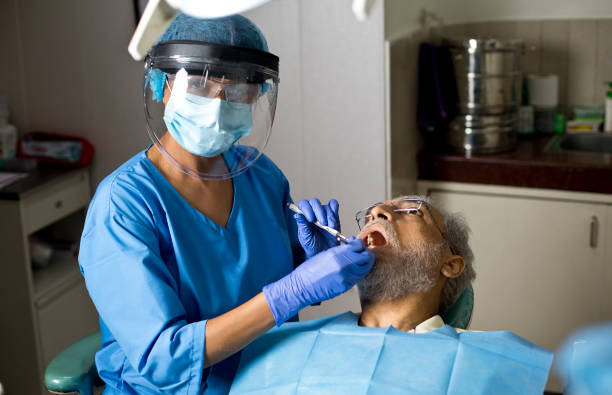
Getting local dental implants used to rely a lot on the dentist’s experience and some basic X-rays. That worked okay for a while. Now digital tools change how the whole plan gets built. You can see the bone in 3D, map the final tooth position first, and place the implant with more control. It cuts down on guesswork. For patients looking at local dental implants, this tech often means fewer surprises and a cleaner final result.
CBCT Scans Give a Real 3D Picture
A regular X-ray is flat. A CBCT scan shows the jaw in three dimensions. You see bone thickness, nerve locations, and sinus position clearly. That information matters when the implant has to sit in a tight spot. Most cosmetic dentists in california who place a lot of implants use these scans now. It helps them decide if grafting is needed before anything starts. Better info early usually means fewer mid-treatment changes.
Digital Impressions Skip the Old Messy Trays
Intraoral scanners take a digital map of your teeth and gums in minutes. No more thick impression material that makes some people gag. The scan data lines up with the CBCT so the planning software can see both hard and soft tissue. That combined picture lets the dentist plan the implant position based on where the final crown should sit, not just where the bone looks easiest. Prosthetic-driven planning is the term they use. It just means the visible tooth comes first in the design.
Surgical Guides Turn the Plan into Reality
Once the virtual plan is set, a surgical guide can be made. It’s a custom piece that sits over the teeth or gums and directs the drill to the exact angle and depth planned on the computer. Studies show these guides reduce the small errors that happen with freehand placement. That accuracy matters near nerves or when space is limited. Some offices also use dynamic navigation that shows the drill position on a screen in real time. Both approaches aim for the same thing, tighter control.
I’ve talked to people who had implants done the old way and then saw a digitally planned case later. The difference in how predictable the process felt was noticeable. Less cutting in some cases, shorter surgery time, and a better idea of the final look before the first cut. Not every case needs the full digital setup. Simple ones with plenty of bone can still go freehand. But for anything more involved, the tech helps.
Cosmetic dentists in california who keep up with these tools often show patients the virtual plan on screen. You can see the proposed implant and the future tooth. That visual makes the conversation clearer. You know what’s planned and why. It also helps when more than one tooth is missing and the case turns into a bigger restoration.
The software can flag problems early. If an implant would sit too close to a nerve or leave the crown in a weird position, the plan gets adjusted before surgery day. That kind of check used to rely more on mental calculation. Now the numbers and images sit right there. It doesn’t replace skill, but it backs it up.

Some practices print models or temporary restorations from the same digital files. That can speed up the temporary phase while the implant heals. Patients walk out with something that looks and feels closer to the final result sooner. Not every office does the full workflow yet. Ask what’s available when you look at local dental implants options.
Conclusion
Digital technology has made treatment planning for local dental implants more precise and easier to understand. CBCT scans, digital impressions, virtual planning, and surgical guides reduce some of the old uncertainty. The result is often safer placement and a final tooth that fits the smile better. When you talk to cosmetic dentists in california or local providers, ask how much of this tech they use and whether you can see the plan before surgery. Better planning upfront usually leads to fewer complications and a smoother experience overall. It’s worth asking the questions.
Frequently Asked Questions
1. Does every local dental implants case need a CBCT scan? Not always. Simple cases with good bone may use regular X-rays. More complex ones or tight spaces almost always benefit from the 3D information.
2. How does digital planning help the final look of the tooth? It lets the dentist design the ideal crown position first, then place the implant to support that position. The result tends to look and function more naturally.
3. Are surgical guides only for complicated cases? They help most when space is limited or anatomy is tricky. Many offices use them for routine cases too because the accuracy stays higher.
4. Should I ask cosmetic dentists in california about their digital tools? Yes. Ask what scanning and planning systems they use and whether you can review the virtual plan. The answer shows how current their process is.